The Power of Sharing Our Stories!
- Chronic Junk
- Oct 13, 2025
- 7 min read

Updated: Apr 10
My Grandfather’s Legacy of Love and Awareness
Breaking Stereotypes: Men and Breast Cancer
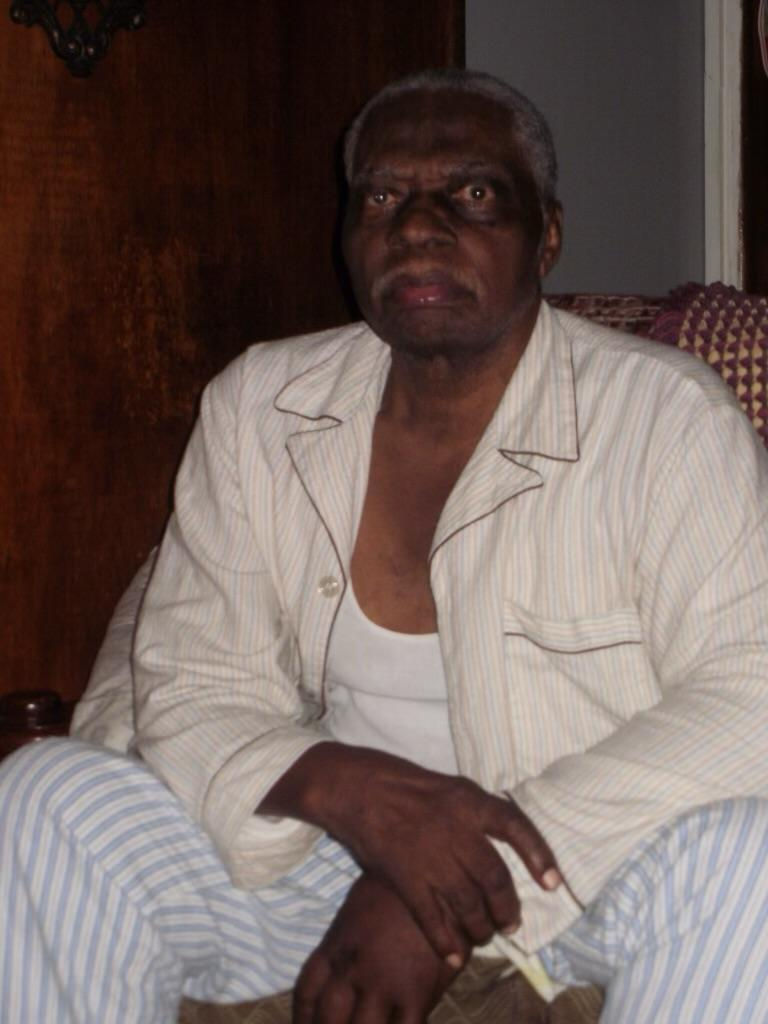
A Picture of My Grandpa
A Silent Struggle Unveiled
Did you know that about 1 in 833 men will be diagnosed with breast cancer in their lifetime? It’s honestly not as rare as you might think.
Many guys don’t even realize they can get breast cancer. This lack of awareness leads to late diagnoses and poorer outcomes. Men often ignore early warning signs or feel too embarrassed to speak up. But here’s the thing: early detection saves lives. For both men and women.
By talking openly about male breast cancer, we can help more people spot the signs early and get the care they need.
My Grandfather’s Valiant Battle
My grandpa was always the strong, silent type. The kind of man who never complained, even when something was wrong. What follows is a vivid, first-hand account of his journey, told through my aunts’ eyes.
During my interview with my aunts, Sandra and Jennifer, they described Grandpa as a man full of life and joy before his illness. They reminisced about how he faithfully attended church every Sunday and took great pride in running his little bar. It was his home away from home. They also spoke fondly of his warm, down-to-earth personality and how his jovial spirit made him a beloved and appreciated presence in the community.
When asked, How My grandfather discovered that something was wrong? Auntie Sandra stated that “One morning, while he was showering, he felt a lump in his chest/breast area” and once he eventually told her, she automatically thought that it was very abnormal and urged him to go to the doctor to get it looked at.
When he went to the doctor, they decided to take a biopsy from the lump. The sample was sent from Montserrat to Antigua for testing and the results came back confirming that he had breast cancer.
Everyone was shattered and scared, wondering what the future will hold. My aunty Sandra who works in the medical field said, she said, “Wow, my dad is actually a part of the 1 in 9% of men that develop breast cancer.” She went on to say. “I was terrified — I was scared out of my mind trying to figure out how we were gonna cope with this. The odds, the ifs, the buts — everything was just running through my mind at that point.” She explained that dealing with the situation was even harder because the healthcare system in Montserrat isn’t very advanced, and they often rely on other islands for certain tests and treatments.
Since he wasn’t getting the proper treatment in Montserrat and all they were doing was dressing the wound, Auntie Sandra decided to send for him to come and stay with her in America so he could get the required care.
In the U.S., he was seen by specialists who immediately took his situation seriously. After examining him, they mentioned that the lump should never have been cut into, especially because the cancer had already reached stage three or four. Doing so, caused his health to deteriorate and allowed the cancer to spread rapidly. It was heart breaking for the family to hear that, but at the same time, there was some comfort in knowing he was now in capable hands and getting the right kind of medical attention.
In reference to what his attitude and feelings were like around that time, my aunties revealed that He was so Positive, even going on to quote him saying that, “he has lived and as long as God is by his side through it, he will be fine” and his only wish was that he could die under the British flag (Montserrat) and every time they asked “Daddy how are you doing today?” He would always reply saying “all is well with me” and according to my aunts he was very deep in his faith, strong and he was at peace with himself. We then agreed on wishing we had faith as strong as he did.
The doctors presented him with an option to undergo rapid chemotherapy, which could have possibly given him another year on top of the six months they said he had left to live. However, they ultimately decided against it because he was already so far gone, and if he started the treatment, he would have needed ongoing chemotherapy once he returned to Montserrat — something the island simply didn’t have the resources to support. Besides that, he himself didn’t really want to go through with it.
When asked if there were any challenges in getting proper care or recognition because he was a man with breast cancer, my aunties explained that there definitely were. The doctor in Montserrat told them that, since my grandfather had diabetes and was on metformin, his kidneys were already failing. Because of that, the doctor used it as a reason not to start cancer treatment, saying that his kidneys would likely fail first and that he wouldn’t die from the cancer but from kidney failure instead. That excuse made it difficult for him to receive the attention and care he truly needed at the time.

Awareness and Understanding
Upon being asked if there were any moments of hope or encouragement during his illness, my aunties agreed that there definitely were. Auntie Sandra shared that his strong faith gave everyone around him strength — he truly believed he would be okay and was at peace with his diagnosis. She admitted that, as a daughter, it was hard to accept the reality of what was happening, especially after hearing that the cancer had started to spread. Still, she was grateful for the time they shared — the laughter, the conversations, and the moments that helped keep his spirits up and distracted him from the pain. Even though deep down she knew his time was limited, she held on to hope for just a little longer. When he passed away, it left a big hole in the family, but somehow, she found comfort in knowing that he was finally at peace.
During the discussion on the Awareness side of things, we spoke about the fact that the most important thing that people should know is that men can get breast cancer too. It’s just not talked about as much as it should be and it’s not as prevalent in men as in women. She believes more awareness is needed so that men understand the signs and will not be afraid or embarrassed to speak up. If a man notices a lump or anything unusual in his chest area, he should get it checked right away. Early detection is key to saving a life.
We also spoke about the level of awareness and the support for men with breast cancer and their families, my aunties agreed that there really wasn’t. They felt that while there is some awareness, it’s not nearly enough — especially when it comes to providing proper support systems for men who are going through it. Male breast cancer is often overlooked, and because of that, many men and their families don’t receive the same level of understanding or help that a woman with breast cancer usually gets.
Legacy and Lessons
During our telephone interview I asked “How would you like people to remember him?” Auntie Sandra handed the phone to Auntie Jennifer, who smiled as she began to describe the kind of person he was. She said she wanted people to remember him as a kind, loving, and jovial man — someone who was always ready with good advice and comforting words. You could talk to him about anything, and he always seemed to know just what to say. He often reminded everyone, “You never need to worry once you have God on your side. Put God first, and everything else will fall into place.”
Auntie Sandra then chimed in, saying that people would also remember him for his generosity and big heart. She recalled how, he never mixed or minced his words, always told the truth and never held a grudge. Back at his shop, even if someone didn’t have the $5 or $10 to pay, he would still offer them a drink and for them to take what they needed, saying in dialect, “It’s alright man, I will get it another time.” That was just who he was — always giving, always kind, and always putting others before himself.
Lastly, when I asked what lessons they took away from Grandpa’s journey and his strong belief in God, both my aunties said that his faith was one of his greatest strengths — something he carried with him through every challenge. He always used to say, “Wah yah worry fah? Wah yah cry fah? Tomorrow will be another day! You a worry ‘bout what you can’t fix?” Those words became a reminder to trust God and not let worry take over.
My aunties also shared that my mom inherited that same deep sense of faith and often repeats those same sayings about not worrying. Auntie Sandra admitted that she’s still trying to reach that level of faith herself, but she also mentioned that she sees Grandpa’s strength living on in me. I have sickle cell disease, and even when I’m not feeling well, I try to stay strong — to get up, keep going, and say I’m fine even when I’m not. She said that reminded her of Grandpa, who, on his good days and bad days alike, still found reasons to smile and would call his daughters, saying, “Come, let’s go for a drink.” He took the bad and the good days together, always choosing to live with strength, faith, and gratitude.
The Power of Open Conversation
Talking about health isn’t always easy, especially for guys. But breaking the silence around male breast cancer can save lives. When we share stories like my grandfather’s, we help others realize they’re not alone. It encourages men to speak up about their health concerns without shame.
Looking back on everything my family shared, it’s clear that Grandpa’s life was a powerful example of faith, love, and quiet strength. His journey showed us that even in the hardest moments, trust in God can bring peace, and the support of family can bring healing. Though his battle with breast cancer was filled with challenges, he faced each day with courage and gratitude, never losing his kindness or sense of humor.
The lessons he left behind — to stay strong, to care for one another, and to never let worry steal your joy — continue to live on in all of us. His faith became our foundation, his strength became our guide, and his legacy will forever remind us that with love and God on our side, we can get through anything.
___________________________________________________________________________
💜 Want to stay connected?
You can find me and my work across different platforms! Follow along on Instagram @Chronic_junk_, join the community on Facebook at Chronic Junk, visit my website at ChronicJunk.com, catch behind-the-scenes and creative fun on TikTok @chronic.junk, and don’t forget to keep up with new posts right here on the blog 👉 chronicjunk.blog. Let’s spread awareness and celebrate resilience together! 🌍✨



Comments